
Before eye cataract surgery in Singapore, detailed imaging and biometric measurements are used to assess your eyes and support surgical planning.
At Angel Eye & Cataract Centre, the ZEISS CIRRUS Pathfinder is part of our digital diagnostic workflow for cataract assessment and intraocular lens planning.
The ZEISS CIRRUS Pathfinder is a diagnostic platform used during cataract assessment and surgical planning. It brings together different eye measurements and imaging scans used before cataract surgery in Singapore.
This includes information obtained through:

Measures the eye to calculate the intraocular lens power

This is used to assess astigmatism and eye shape

These scans evaluate the health of the back of the eye
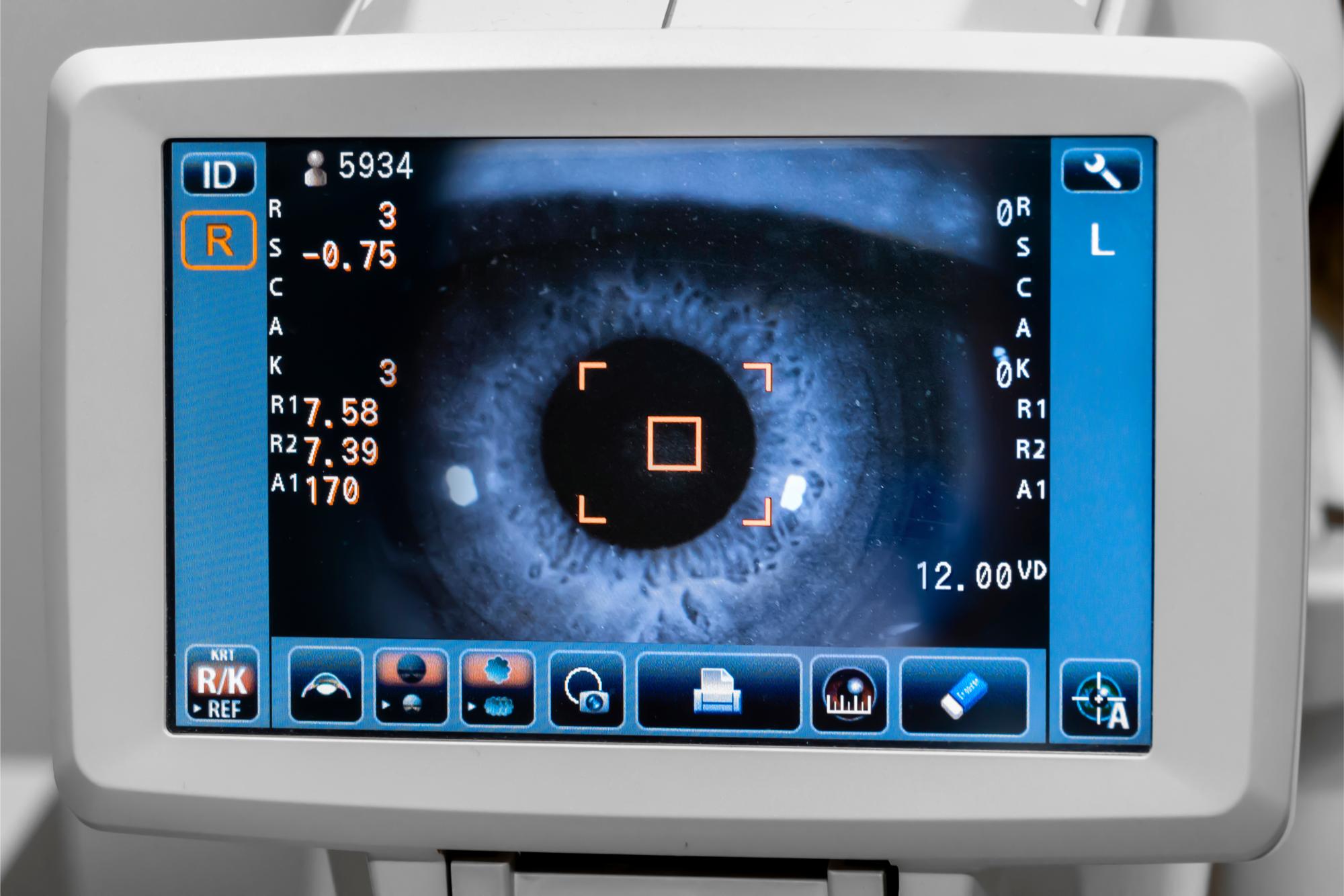
These measurements are used during cataract planning
This form of biometric data integration allows your ophthalmologist to assess different aspects of your eye within a broader clinical context.
During the cataract diagnostic process, these measurements may also help identify retinal conditions or anatomical factors that could influence lens selection, surgical planning, or post-operative visual function.
All findings are still interpreted alongside your symptoms, visual needs, and overall eye health before treatment recommendations are made.
The ZEISS CIRRUS Pathfinder supports this process by helping transfer diagnostic information through different stages of the surgical workflow with less reliance on manual data entry.
Cataract surgery planning involves multiple diagnostic measurements collected before the procedure by your surgeon and medical team. These measurements are used during the operative planning stage and may also be referenced during the actual procedure.
Reducing manual transcription between diagnostic devices and surgical planning systems may help support your medical team’s data accuracy throughout the planning process.
Although the platform supports digital surgical planning, all clinical judgement, surgical decisions, and intra-operative techniques are still performed by the cataract surgeon.
Selecting an intraocular lens (IOL) involves more than replacing the cloudy natural lens that’s removed during cataract surgery. The lens also influences how light focuses inside the eye after surgery and what range of vision may be achieved without glasses.

Before cataract surgery, your ophthalmologist evaluates how different lens options may match your day-to-day visual requirements. This may include considerations such as:
These measurements are used during intraocular lens calculation to determine the appropriate lens power and positioning for your eye.

For patients with astigmatism, additional planning may be required as part of astigmatism management. In selected cases, toric intraocular lenses may be considered to address irregular corneal curvature during cataract surgery.
The positioning of these lenses is important because even small rotational shifts may affect visual performance after surgery. As part of toric IOL alignment, pre-operative calculations are used to determine the intended placement axis before the procedure begins.
Different lens options may also be discussed depending on your visual priorities and expected range of focus. These can include:
Speak with our team at Angel Eye & Cataract Centre to learn how your diagnostic measurements and visual goals are assessed before your surgery.

During eye cataract surgery, your cataract surgeon views the eye through a specialised operating microscope throughout the procedure.
As part of the ZEISS CIRRUS Pathfinder workflow, selected pre-surgical reference data may be displayed within the microscope itself using a microscope digital overlay system. This allows specific measurements and alignment references to remain visible during surgery without the surgeon needing to look away from the operating field.
These digital overlays may be used to support:
During the initial stages of surgery
Surgical axis guidance
Used during lens implantation
During selected stages of eye cataract surgery
The overlays function as intra-operative visual references within the surgical microscope. However, all surgical movements, lens positioning, and operative decisions are still manually performed by the cataract surgeon throughout the procedure.
The total cost of cataract surgery in Singapore can vary depending on several factors, including the type of IOL implant selected, the complexity of the procedure, and whether additional diagnostic assessments are required before surgery.
Patients undergoing cataract assessment at Angel Eye & Cataract Centre may also receive recommendations for additional retinal or diagnostic imaging depending on their eye condition and surgical requirements.
The final cataract surgery price in Singapore may also differ based on the surgical setting, lens selection, and whether surgery is performed on one eye or both eyes.


In Singapore, part of the surgical cost may be offset through MediSave. Current MediSave withdrawal limits are based on the Ministry of Health (MOH) Table of Surgical Procedures and vary depending on the type of cataract procedure performed.
Additional support may also be available through MediShield Life and Integrated Shield Plan claims, depending on your insurance coverage and treatment setting.
If you would like a clearer understanding of your expected fees, lens options, or available financing arrangements for a cataract surgery in Singapore, our team can guide you through the next steps after your assessment.
Our team at Angel Eye & Cataract Centre can guide you through your cataract treatment plan in Singapore, including lens selection, procedure details, and expected costs.

Our friendly team is looking forward to serving you. For urgent enquiries and appointment requests, please call or WhatsApp us directly.
The assessment is non-invasive and not typically described as painful. Most of the scans involve looking into diagnostic imaging machines while measurements and photographs of the eye are taken. Some patients may experience mild temporary glare from bright lights during retinal imaging or pupil dilation.
Not always. The need for additional retinal imaging or diagnostic measurements depends on your eye condition, visual symptoms, and surgical requirements. Your ophthalmologist will determine which assessments are appropriate as part of your cataract evaluation and surgical planning process.
The duration can vary depending on the number of scans and measurements required. In many cases, the assessment may take between one to two hours, particularly if pupil dilation and multiple diagnostic tests are needed before cataract surgery planning.
