

Experiencing changes in your vision? Cataract surgery is often recommended to restore clarity to your sight. At Angel Eye & Cataract Centre, each stage of your eye treatment in Singapore is managed by our SMC-registered cataract surgeon and medical team.
Here’s everything you can expect before, during, and after cataract surgery.
The first step is to confirm whether cataracts are present, how much of your vision is affected, and whether surgery is appropriate. At Angel Eye & Cataract Centre, this is done through a series of assessments.
You’ll be asked to read letters or numbers from a distance from a chart with one large letter at the top, followed by rows that gradually get smaller.
This visual acuity test measures how clearly you can see at different distances.
For many patients, this helps explain experiences such as:

Eye drops are used to widen your pupils and examine the inside of your eye more closely. This is part of a full ocular (eye) health assessment.
During this exam, we’ll also shine a light into your eye and use specialised lenses to look at:

We use a machine to scan your eye while you look into a small target light. This measures the length of your eyeball and the curvature of your cornea, which are values that calculate the power of the artificial lens we’ll use to replace your natural lens.
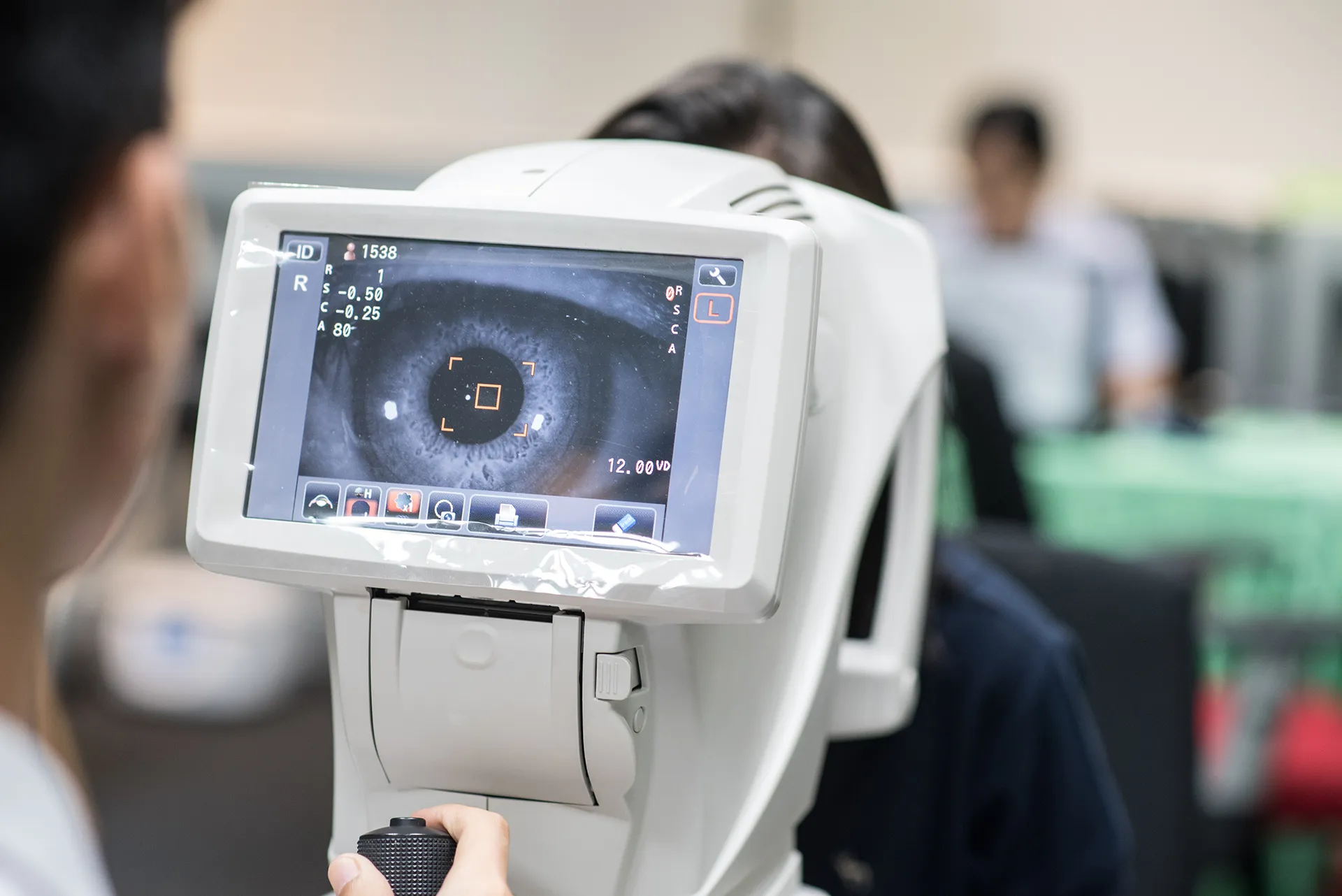
We’ll also review your health history, taking into consideration any of the following:

Once the assessments are complete, we’ll go through the findings with you and outline suitable treatment options. This includes explaining what the procedure involves, the expected visual outcomes, and any potential risks.
At this stage, you can clarify any concerns you may have, such as:
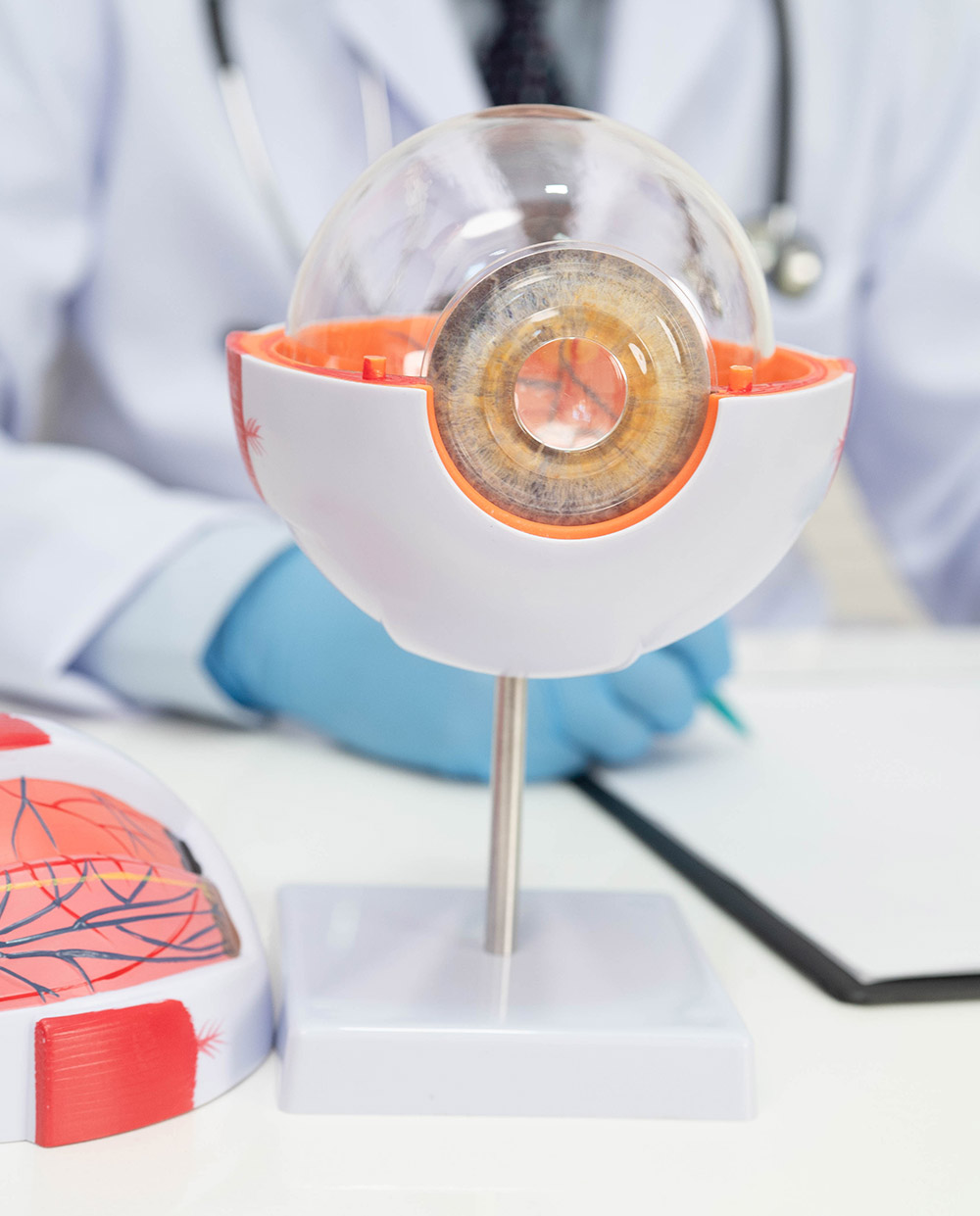
Once you’ve decided to proceed with cataract surgery, the next step is choosing the lens that will replace your natural one. Your clouded lens will be permanently removed and replaced with an intraocular lens implant (IOL), which is a clear, artificial lens designed to restore how light focuses in your eye.
Unlike glasses, which can be changed over time, the IOL is selected before cataract surgery and remains in place long term.
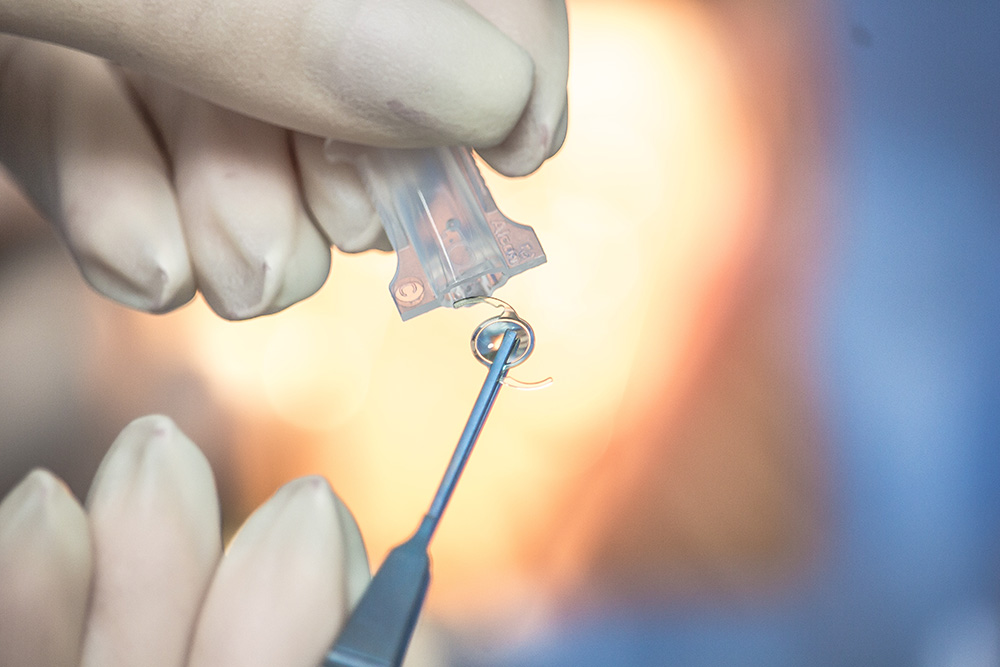
When selecting the right IOL implant, you need to consider the following factors.
The choice depends on your day-to-day visual needs.
You may also consider correcting your astigmatism or presbyopia when selecting an IOL implant.
Astigmatism can cause blurred or distorted vision and may be corrected during cataract surgery using specific lens options. This may reduce the need for glasses previously used for astigmatism correction.
Presbyopia is an age-related reduction in near vision, often leading to the need for reading glasses. Certain IOL options are also designed to address this, which may help reduce your dependence on near-vision correction.

You may be asked to arrive earlier than your scheduled time. This allows us to:
It’s advisable to arrange for someone to accompany you home, as your vision may be temporarily affected after cataract surgery.
Before entering the operating room, we’ll carry out a final surgical preparation, which may include:
Most cataracts are removed using phacoemulsification. A specialised probe delivers ultrasound energy to break the clouded lens into smaller fragments, which are then gently removed.
In some cases, a femtosecond laser may be used to assist with certain steps, such as creating the incision or softening the lens before removal.
Here’s what to expect immediately after your cataract surgery and in each stage of recovery.
Once the procedure is complete, we’ll place a protective eye shield over the treated eye. This helps prevent accidental contact as the eye begins its post-operative recovery.
Your vision may be blurred at this stage. Some patients describe it as looking through a hazy or slightly fogged lens. This is expected and usually improves over time.
You’ll be able to go home the same day, but you should arrange for someone to accompany you, as your vision may not be clear enough for travelling on your own.

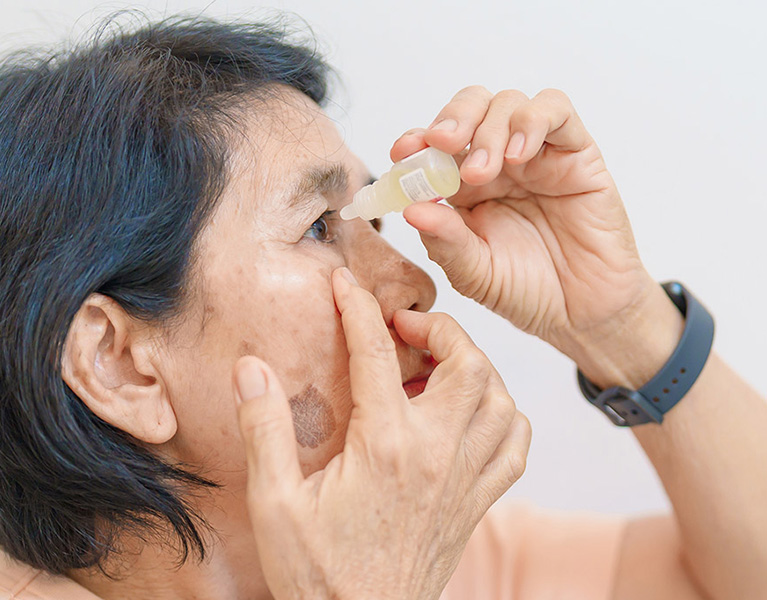
During the initial recovery period, you’ll begin using antibiotic eye drops, and in some cases, additional medicated drops, to reduce the risk of infection and control inflammation.
It’s common to experience:
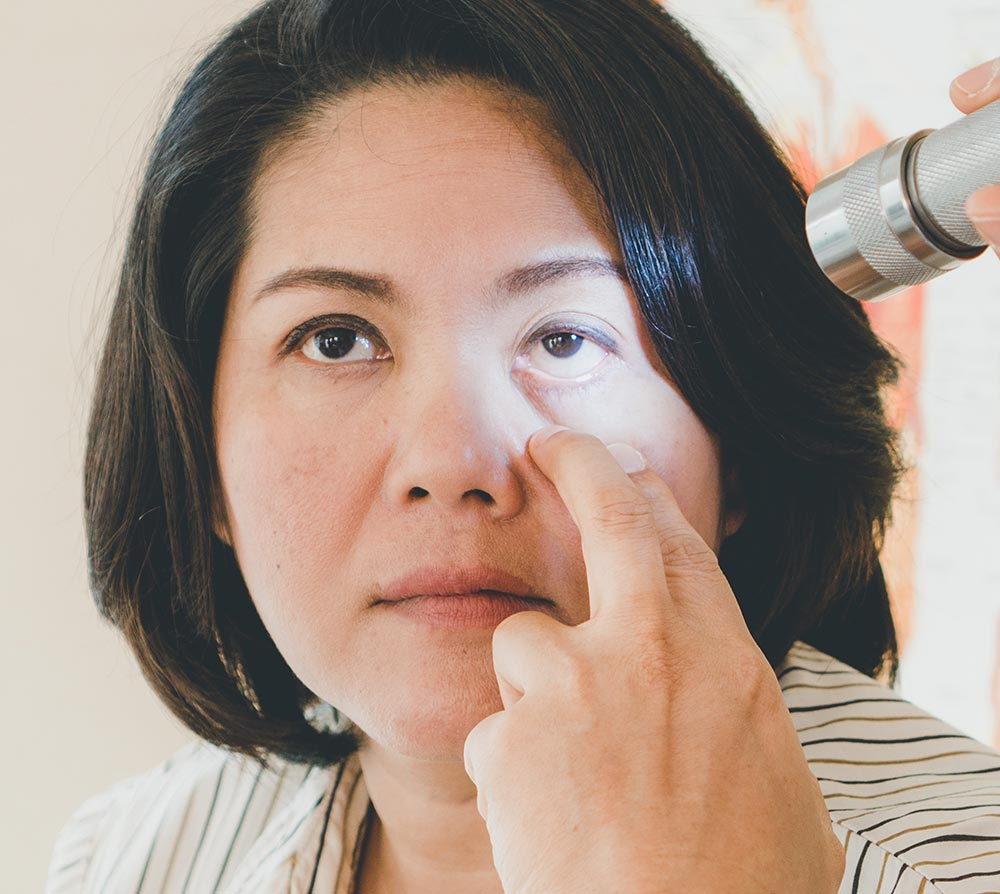
A clinical follow-up consultation is typically scheduled within the first few days after surgery. During this visit, we will:
These checks help identify any early issues and ensure recovery is progressing as expected.
As healing continues, your vision should gradually stabilise. The timing varies between individuals, but most patients notice steady improvement over the first few weeks.
We’ll continue to monitor your progress during follow-up visits and adjust your care plan if needed.

Once the clinical aspects of your treatment are planned, the next step is understanding the financial side of care. You can get a detailed breakdown of pricing and fee components here.
The price range for cataract surgery in Singapore can range from $2,000 to over $10,000, depending on the hospital you visit. This includes several components, such as:
In Singapore, cataract surgery is eligible for claims under MediSave. You can also use MediShield Life and Integrated Shield Plans to cover part of the bill.
If you would like a clearer estimate based on your assessment and lens selection, our team can guide you through the expected costs and available financing options.
Our team at Angel Eye & Cataract Centre can guide you through your treatment plan, including lens selection, procedure details, and expected costs.

Cataract surgery is typically performed under local anaesthesia, using numbing eye drops. This means you’ll be awake during the procedure but won’t feel any pain.
Cataract surgery is often completed within about 15 to 30 minutes per eye.
Our friendly team is looking forward to serving you. For urgent enquiries and appointment requests, please call or WhatsApp us directly.
