
At Angel Eye & Cataract Centre, your care extends beyond the procedure itself. Here’s what to expect before surgery, during recovery, and throughout your follow-up after eye cataract surgery in Singapore.
Before cataract surgery, you’ll receive medical and administrative instructions to help you prepare for the procedure. These steps help reduce delays and ensure your treatment proceeds safely on the day of surgery.
Before your procedure date, the clinic team will usually provide detailed pre-operative instructions. These may include:
You should read these instructions carefully before your appointment.
Depending on your planned anaesthesia and medical profile, you may be given specific fasting guidelines before cataract surgery. This commonly involves avoiding food and drinks for several hours before your scheduled procedure time.
If fasting is required, your clinic staff will advise you on:
As part of your medication management, you should inform your ophthalmologist about:
Some medications may require temporary adjustment before cataract surgery. Do not stop taking your prescribed medication unless advised.
Before the procedure, you’ll typically go through the informed consent process. This involves reviewing:
Administrative preparation may also include:
Most cataract procedures in Singapore are performed as outpatient day surgery, meaning you can usually return home on the same day.
As your vision may remain temporarily blurred after the procedure, you’ll generally be advised to:
You may also be advised to avoid wearing eye makeup, facial creams, or contact lenses on the day of your cataract surgery.
Recovery after cataract surgery usually takes several weeks. While many patients notice early improvements in vision within the first few days, full recovery and visual stability may take longer depending on the eye’s healing response and overall ocular health.
Here’s a general timeline of what patients commonly experience during each stage of recovery after eye cataract surgery.
During the first few days after surgery, your vision may appear blurry, hazy, or slightly fluctuating as the eye begins healing. Mild watering, light sensitivity, redness, or a gritty sensation can also occur during this early phase.
Some degree of post-operative inflammation is expected immediately after surgery and is typically monitored during your first follow-up appointment.
An early review is usually scheduled within the first few days to:
Although some patients notice clearer vision shortly after surgery, early visual changes may continue to fluctuate during this stage.
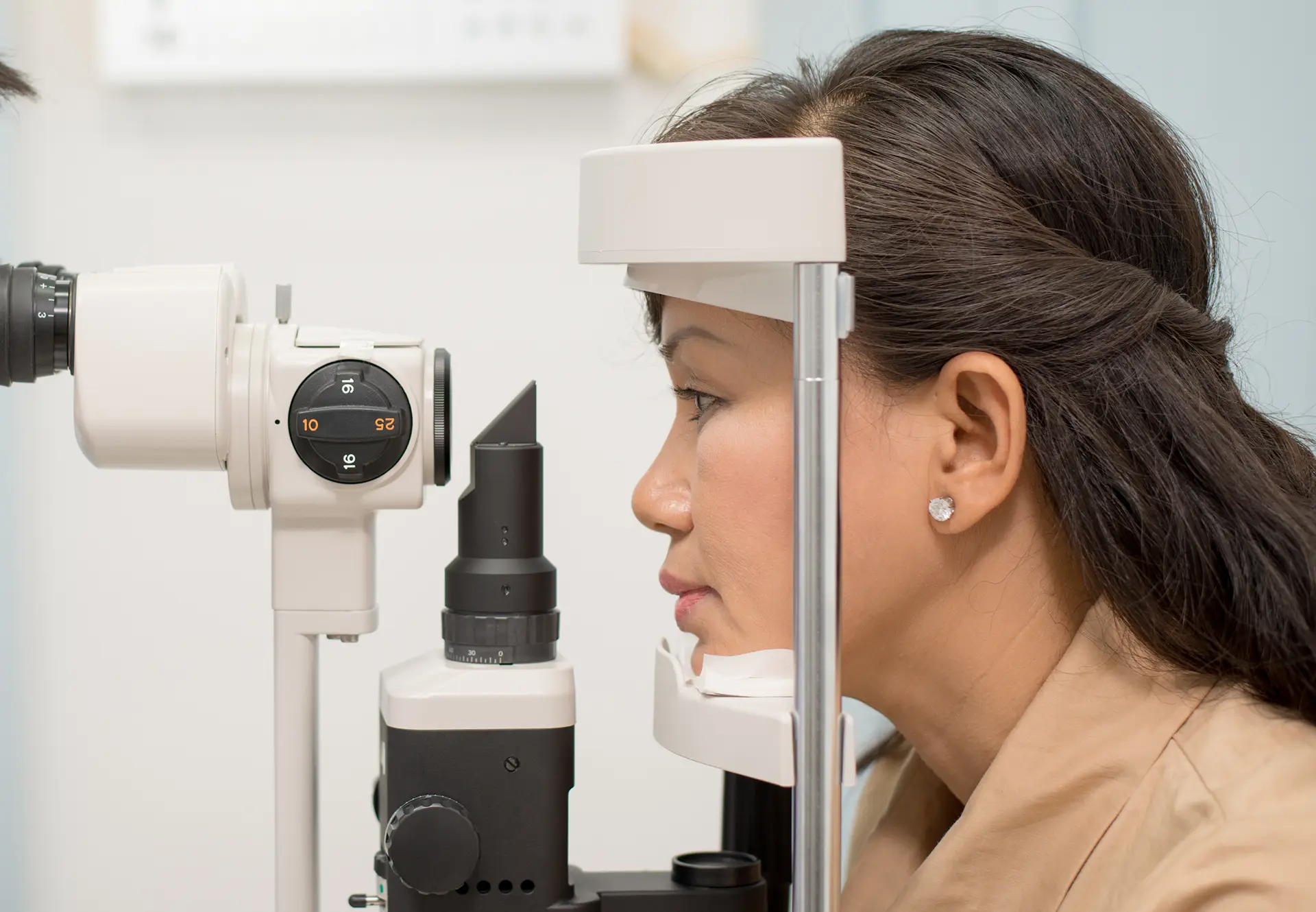
By the second week, many patients experience gradual improvement in daily visual function. Activities such as reading, walking outdoors, or using digital devices may start to feel more comfortable as recovery progresses.
This stage of visual rehabilitation involves ongoing recovery within the eye as swelling and inflammation gradually settle.
During this period:
Early refractive stabilisation may also begin during this stage, although vision can still change slightly as healing continues.
The overall recovery timeline varies between individuals and may depend on factors such as pre-existing eye conditions or whether surgery was performed on one or both eyes.

By around four weeks after cataract surgery, the eye has usually reached a more stable phase of recovery, allowing your ophthalmologist to assess longer-term visual outcomes.
A later follow-up review may involve:
For some patients, this stage marks the completion of early post-operative recovery, while others may continue with longer-term monitoring depending on their eye condition and cataract treatment plan.

Our team at Angel Eye & Cataract Centre is here to help.

Proper care after cataract surgery helps support recovery and reduce the risk of complications during the early healing period. These precautions are typically recommended during the first few weeks after surgery.


Recovery after cataract surgery in Singapore may involve several scheduled review appointments following your procedure. These visits are used to monitor healing, assess visual recovery, and check for any early post-operative concerns.
Depending on the clinic or hospital, some surgical fee inclusions may already cover a fixed number of post-surgical reviews and medications, while others may bill these separately.
Your overall cataract surgery bill may include:
Some clinics may also provide guidance on:
Coverage for each outpatient follow-up consultation can vary depending on your insurer, policy terms, and treatment setting.
Speak to our team if you would like clarification on recovery-related costs, insurance coverage, or what may be included in your surgical package.

Our friendly team is looking forward to serving you. For urgent enquiries and appointment requests, please call or WhatsApp us directly.
Many patients can return to desk-based work within a few days after cataract surgery in Singapore. Recovery time may vary depending on your vision, overall healing, and the nature of your work. Jobs involving heavy lifting, dust exposure, or strenuous activity may require a longer recovery period.
Yes, most patients can watch television or use their phone shortly after eye cataract surgery if it feels comfortable to do so. Your eyes may tire more easily during the first few days of recovery. Taking regular breaks may help reduce temporary eye strain or discomfort.
Yes, mild redness is common during the early recovery period after cataract surgery. This usually improves gradually as the eye heals over the following days or weeks. However, worsening redness, pain, discharge, or sudden vision changes should be assessed promptly by your ophthalmologist.
